
Strategies to Mitigate Damage and Protect Lives Worldwide
Introduction
Natural disasters are events caused by natural phenomena that can result in severe damage to people, cities, and the environment. They occur when natural processes become strong enough to cause destruction and significant losses. These events affect communities worldwide, often impacting thousands of lives.
Main Types of Natural Disasters
Earthquakes
Earthquakes are sudden movements of the Earth’s surface caused by the shifting of tectonic plates. They are most common in regions such as Japan, Chile, Indonesia, and the west coast of the United States, which are part of the “Pacific Ring of Fire”.
Hurricanes and Typhoons
These are powerful tropical storms with strong winds and heavy rainfall. Hurricanes occur mainly in the Atlantic Ocean, affecting the United States, Mexico, and the Caribbean. Typhoons occur in the Pacific Ocean and frequently impact the Philippines, Japan, and China.
Floods
Floods happen when large amounts of water cover normally dry areas, usually due to heavy rains or river overflow. They are common in countries like Bangladesh, India, and China, and also occur in several cities in Brazil.
Droughts
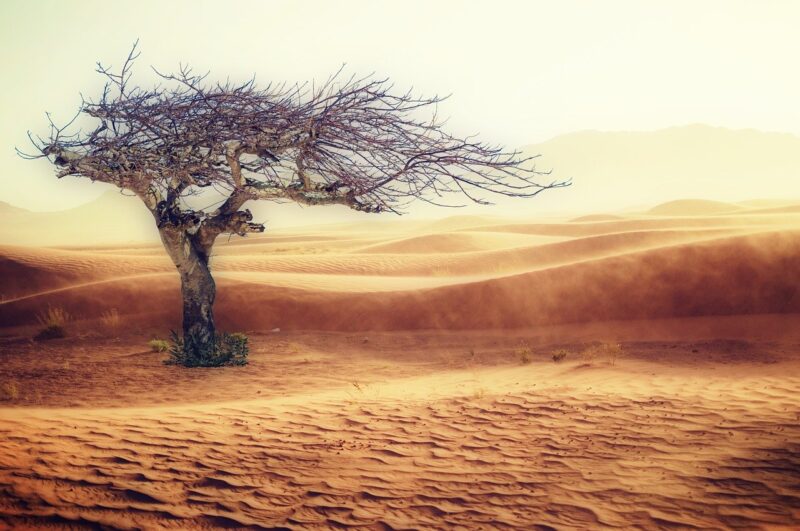
Droughts are long periods without rainfall that lead to water shortages. They mainly affect regions such as the Sahel in Africa, parts of Australia, and the Northeast region of Brazil.
Volcanic Eruptions
Volcanic eruptions occur when lava, ash, and gases escape from the Earth’s interior through volcanoes. They are more frequent in countries such as Indonesia, Iceland, Japan, and Italy.
Impacts of Natural Disasters
Natural disasters have severe consequences, including:
- Loss of human lives and injuries
- Destruction of homes, buildings, and infrastructure
- Economic losses, including impacts on agriculture and commerce
- Environmental damage, such as soil contamination and destruction of ecosystems
Prevention and Preparedness
Prevention and preparedness are essential to reduce the damage caused by natural disasters. While most natural events cannot be stopped, communities and governments can take strategic actions to protect people and infrastructure.
Early Warning Systems
Technologies such as weather satellites, seismic sensors, and monitoring centers can detect risks and alert populations before disasters occur.
Urban Planning and Safe Construction
Avoiding construction in flood-prone areas, riverbanks, or unstable hillsides, combined with earthquake- or storm-resistant building design, significantly reduces risk to lives and property.
Environmental Protection
Preserving forests, wetlands, and mangroves can reduce floods, landslides, and coastal damage caused by storms.
Education and Community Training
Populations trained in emergency kits preparation, evacuation routes, and response protocols can act quickly and safely when disasters strike.
By prioritizing prevention, education, and planning, societies can significantly reduce the risks and impacts of natural disasters, protecting both human lives and the environment.