
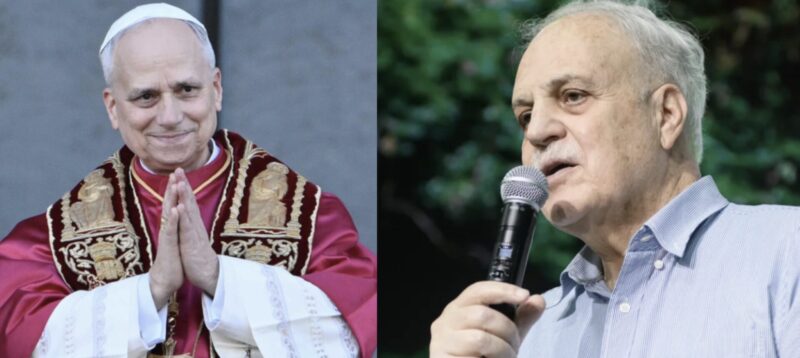
The recent appointment of Brazilian climatologist Carlos Nobre as a scientific advisor to the Vatican marks a significant moment at the intersection of science, global governance, and environmental ethics. This recognition not only highlights Nobre’s influential work but also reinforces the growing role of scientific expertise in shaping discussions within major global institutions.
Who is Carlos Nobre?
Carlos Nobre is one of the world’s foremost experts on climate change, with a distinguished career dedicated to understanding the Amazon and its critical role in the Earth’s climate system. His research has been central to advancing the concept of the Amazon’s “tipping point” — the threshold beyond which continued deforestation could transform large parts of the rainforest into savanna, with profound global consequences.
Through decades of scientific leadership, Nobre has contributed to international climate assessments and has been a strong advocate for sustainable development pathways that balance environmental protection with economic progress.
What Does This Appointment Mean?
By joining a scientific advisory body connected to the Vatican, Nobre will contribute to high-level reflections on climate change, sustainability, and environmental stewardship. This initiative signals a broader movement toward integrating scientific knowledge into ethical and societal decision-making frameworks.
The appointment also reflects an understanding that addressing complex global challenges requires collaboration across disciplines, sectors, and belief systems.
Science and Faith in Dialogue
Pope Francis has emerged as a prominent voice in environmental advocacy, particularly since the publication of the encyclical Laudato Si’. In this document, he calls for urgent action on climate change and emphasizes the moral responsibility of humanity to care for the planet.
The inclusion of leading scientists like Carlos Nobre in advisory roles demonstrates a commitment to grounding ethical discussions in robust scientific evidence, fostering a meaningful dialogue between science and faith.
Implications for Brazil
Nobre’s appointment carries important symbolic and practical implications for Brazil. It highlights the country’s scientific contributions on the global stage and brings renewed attention to the Amazon as a critical component of the Earth’s climate system.
At a time when climate issues are central to international policy debates, Brazil’s role — both as steward of the Amazon and as a source of scientific expertise — becomes increasingly significant.
A Broader Signal
More than an individual recognition, this appointment sends a clear message: tackling the climate crisis requires interdisciplinary collaboration, international cooperation, and a deep respect for scientific knowledge.
As global institutions continue to engage with scientific communities, initiatives like this may help bridge gaps between knowledge, policy, and values — an essential step toward building a more sustainable future.