
Based on the latest updates from the U.S. National Oceanic and Atmospheric Administration (NOAA) and the World Meteorological Organization (WMO), the World Environmental Conservancy (WEC) is closely monitoring the rapid development and intensification of El Niño in 2026.
El Niño is a large-scale ocean–atmosphere phenomenon capable of reshaping weather and climate patterns across the globe. After a transition from La Niña to neutral conditions earlier this year, temperatures in the central and eastern equatorial Pacific rose rapidly. El Niño conditions are now present and are expected to strengthen during the second half of 2026, with current forecasts indicating the development of a strong event.
As El Niño intensifies, its influence on global atmospheric circulation is expected to increase. The coming months may bring a heightened risk of:
• more intense and prolonged heat extremes in several regions;
• major shifts in rainfall patterns, increasing the likelihood of droughts in some areas and heavy precipitation and flooding in others;
• greater stress on forests, agriculture, and water resources;
• increased wildfire risk in regions affected by heat and rainfall deficits;
• impacts on marine ecosystems associated with warmer ocean conditions;
• disruptions to food security, biodiversity, and vulnerable communities.
The effects of El Niño are not uniform and vary considerably from one region to another. However, its development against the background of long-term global warming is particularly concerning. El Niño is a natural climate phenomenon, but today it interacts with an atmosphere and oceans that are already significantly warmer.
According to the latest scientific outlooks, El Niño is expected to continue strengthening during the coming months and persist through the Northern Hemisphere winter of 2026–2027. This raises concern not only for the months ahead, but also for 2027, as the combined influence of El Niño and continued global warming may further increase the likelihood of exceptional global temperatures and climate extremes.
At the World Environmental Conservancy (WEC), we believe that continuous scientific monitoring, environmental observation, early warning systems, and effective climate communication are essential for anticipating risks and strengthening resilience.
El Niño is a natural phenomenon. The vulnerability of our societies and ecosystems to its impacts is not. Science, preparedness, and environmental protection must guide the decisions we make today.
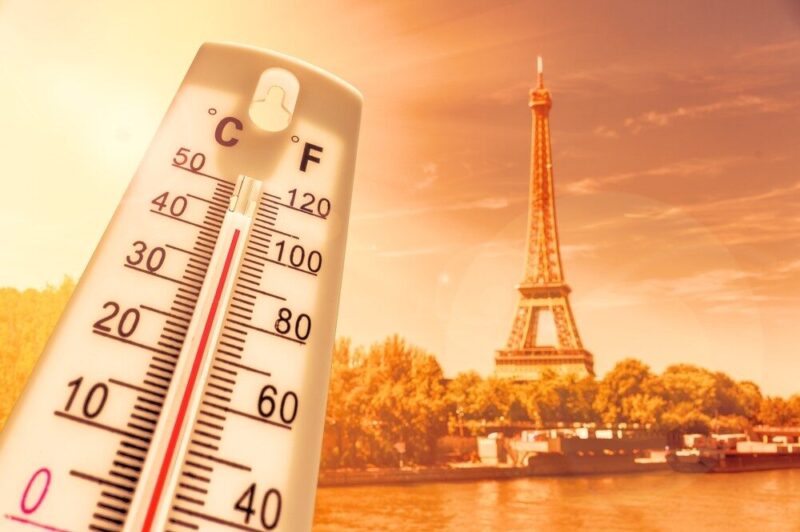
Image credit: Marc Bruxelle / Shutterstock
#WorldEnvironmentalConservancy #WEC #ElNino #ClimateChange #ClimateScience #ExtremeWeather #GlobalWarming #EnvironmentalMonitoring #ClimateResilience #OceanClimate